Dog Collar
First Impressions: A Friendly, Functional Design
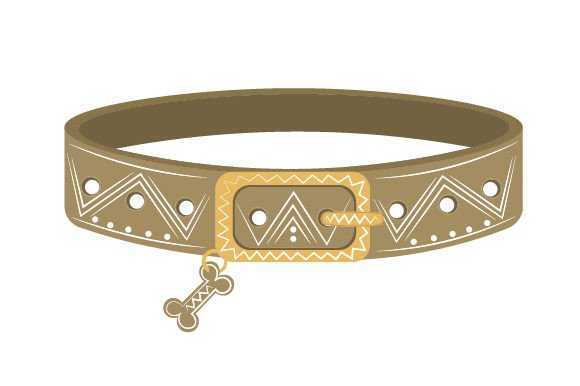
The Dog Collar design immediately strikes a balance between simplicity and charm. It’s clean, approachable, and carries a subtle sense of purpose that makes it feel like something you’d see on a well-made handmade item. The shape is straightforward—neat lines and a smooth curve that suggests both practicality and aesthetic appeal. There’s no overwhelming detail or complexity, which is a good sign for someone looking to use this in a variety of projects without overcomplicating the stitching process.
Visually, the Dog Collar feels like it could work well on a range of products, from custom apparel to small accessories. Its theme is neutral enough to fit into different styles but still has a clear identity that makes it memorable. The layout is balanced, with a focus on the central element—the collar itself—making it easy to stitch and maintain clarity throughout the embroidery process.
Real-World Use Case: Embroidering a Custom Tote Bag
Let’s imagine I’m preparing a custom tote bag for a client who runs a small shop selling pet-themed items. The Dog Collar would be an excellent choice for adding a personalized touch. It’s not too busy, so it won’t overwhelm the fabric, and its simple design ensures that the stitching remains sharp and clean.
When testing the design on scrap fabric, I noticed that the stitch density is appropriate for most standard embroidery machines. The hoop size required isn’t too large, making it suitable for both home and commercial setups. However, I would recommend using a stabilizer to ensure the fabric stays flat and the design doesn’t distort during stitching.
The Dog Collar also works well with a variety of thread colors, especially when paired with light-colored fabrics. For dark backgrounds, the contrast can be less pronounced, so it’s important to test the design in black and white mockups before committing to a final product. This helps avoid unexpected results and maintains the integrity of the design.
Where to Use Carefully: Fabric and Project Considerations
While the Dog Collar is versatile, there are certain situations where it might require extra attention. For instance, using it on thin or stretchy fabrics could lead to distortion, especially around the curved edges. In such cases, a lightweight stabilizer and careful tension settings on the machine can make a big difference.
The design also holds up reasonably well on textured fabrics, though some minor imperfections may show through. If the final product will be used in a high-wear environment, like a holiday gift or a personalized patch, it’s wise to double-check the stitch density and ensure that all details are clearly defined.
Additionally, the Dog Collar is best suited for flat surfaces. Using it on curved items like caps or hats might result in uneven stitching, especially around the corners. If the project involves layered garments, it’s important to consider how the design will sit within the overall composition.
Visual Appeal and Product Value
The Dog Collar contributes positively to the visual appeal of any finished product. Its clean lines and thoughtful layout make it easy to integrate into a wider design scheme without clashing. Whether it’s part of a custom apparel line or a handmade gift, the design adds value by enhancing the overall presentation.
From a customer trust perspective, the Dog Collar offers a level of professionalism that aligns well with small business owners and Etsy sellers. It’s a design that feels intentional and well-crafted, which helps build confidence in the final product. For craft business owners, this kind of design can be a reliable asset for creating consistent branding across multiple items.
Practical Designer Notes for Success
Before using the Dog Collar in a real project, always test the design on scrap fabric. This allows you to see how the stitches look in practice and identify any potential issues early on. Checking thread color contrast against different fabric types is also crucial for ensuring the design stands out effectively.
Reviewing the stitch density is another important step. While the Dog Collar is generally well-balanced, some areas may require adjustment depending on the fabric type or intended use. Additionally, confirming the hoop size and compatibility with your machine can save time and prevent frustration during the embroidery process.
If you plan to sell finished products or digital files, always check the license terms to ensure you’re using the design correctly. The Dog Collar comes in several formats, including SVG, PNG, EPS, and DXF, which makes it adaptable for various digital embroidery file needs. However, it’s always a good idea to verify these details before proceeding with any commercial use.
Final Thoughts: A Reliable Choice for Crafters and Entrepreneurs
The Dog Collar is a solid choice for anyone looking to add a meaningful yet understated design to their embroidery projects. Whether you're working on a personalized gift, a commercial embroidery piece, or a craft fair product, this design offers flexibility, clarity, and a touch of personality.
With proper preparation and attention to detail, the Dog Collar can elevate your handmade product and help you create something that customers will appreciate. As a designer, I find it to be a reliable and versatile option that fits well within the world of crafts and embroidery design.